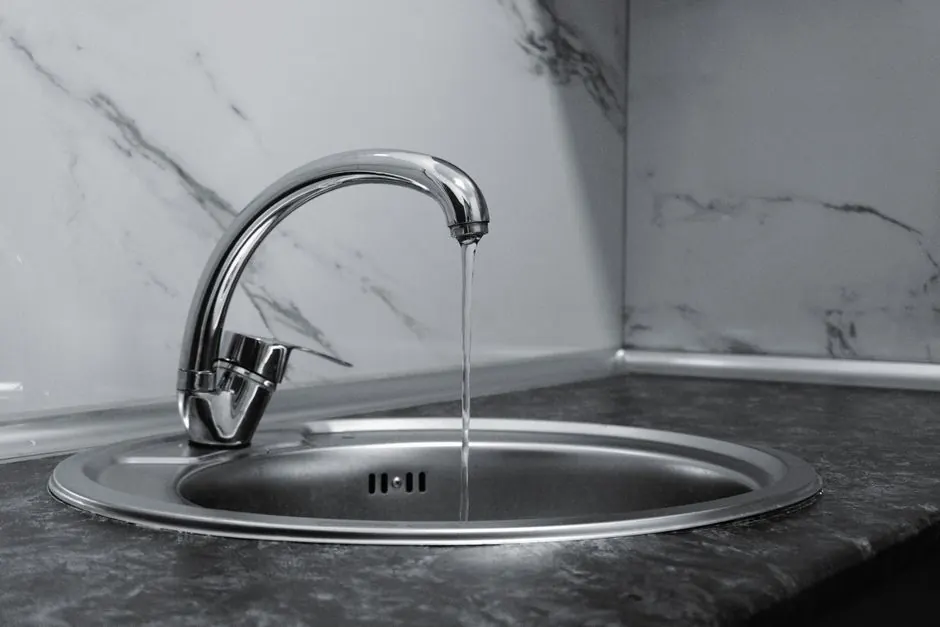
A clogged kitchen drain can disrupt your daily routine, causing frustration and inconvenience. Understanding how to clean a clogged kitchen drain effectively can save you time and money. This guide will walk you through the causes of clogs, the tools you'll need, and the steps to resolve the issue, along with tips on when to call for professional help in Hamilton.
Understanding the Causes of Clogged Drains
Clogs often result from a buildup of food particles, grease, soap residue, and other debris. In Hamilton, where many homes have older plumbing systems, these issues can be exacerbated. Here are some common causes:
- Food Waste: Scraping plates into the sink can lead to leftover food accumulating in the pipes.
- Grease Buildup: Pouring grease down the drain can solidify and create blockages.
- Soap Scum: Soap can leave a residue that collects over time, especially in hard water areas.
- Foreign Objects: Accidentally dropping items like utensils or sponges can obstruct the drain.
Basic Tools and Materials Needed
Before you start, gather the following tools and materials to make the process smoother:
- Plunger
- Drain snake
- Bucket
- Vinegar and baking soda
- Hot water
- Rubber gloves
Having these items ready will help you tackle the clog efficiently.
Step-by-Step Guide to Cleaning Your Drain
Follow these steps to clean your clogged kitchen drain effectively:
- Remove Any Visible Debris: Start by removing the drain cover and clearing out any visible debris.
- Use a Plunger: If the water isn't draining, use a plunger to create suction and dislodge the clog. Ensure there's enough water in the sink to cover the plunger's cup.
- Drain Snake: If plunging doesn't work, insert a drain snake into the drain. Turn it clockwise to break up the clog and pull it out.
- Baking Soda and Vinegar: Pour half a cup of baking soda followed by half a cup of vinegar down the drain. Let it sit for 15 minutes, then flush with hot water.
- Hot Water Flush: Boil a kettle of water and pour it down the drain to help dissolve any remaining grease or soap scum.
These methods can often clear the clog without needing professional assistance.
Common Mistakes to Avoid
When attempting to clean a clogged kitchen drain, avoid these common mistakes:
- Using Harsh Chemicals: Avoid chemical drain cleaners as they can damage your pipes and harm the environment.
- Ignoring Regular Maintenance: Regularly cleaning your drains can prevent clogs from forming in the first place.
- Overusing the Garbage Disposal: Be mindful of what you put down the disposal; not everything is safe for disposal.
When to Call a Professional
If your attempts to clear the clog fail, it may be time to call a professional. Persistent clogs can indicate more serious plumbing issues. Hamilton Plumbing Experts offer Emergency Plumbing Services Hamilton that can address complex drain problems swiftly.
Frequently Asked Questions
- What should I do if my sink is still clogged after trying to clear it? If the clog persists, it's advisable to contact a professional plumber as there may be an underlying issue.
- Can I use a chemical drain cleaner? It's best to avoid chemical cleaners as they can damage pipes. Natural methods are safer and often effective.
- How often should I clean my kitchen drain? Regular maintenance, such as cleaning once a month, can help prevent clogs.
- What are signs of a serious plumbing issue? Persistent clogs, slow drainage, and unusual noises from the pipes can indicate deeper plumbing problems.
By understanding how to clean a clogged kitchen drain effectively, you can maintain your plumbing and avoid costly repairs. If you need more assistance, don't hesitate to reach out to local experts.
Get help with Emergency Plumber in Hamilton
If you're facing persistent drain issues, contact our team for reliable help. Call us at 5403858917 for immediate assistance.